
Your cart (0items)
Your cart is empty


Which tea has the most antioxidants? Green tea and lightly oxidized oolong retain the most catechins, while spiced black tea blends like Himalayan Masala add plant compounds from cinnamon and ginger. This describes natural tea composition, not a medical claim.
Antioxidant-rich teas from Ilam, Nepal
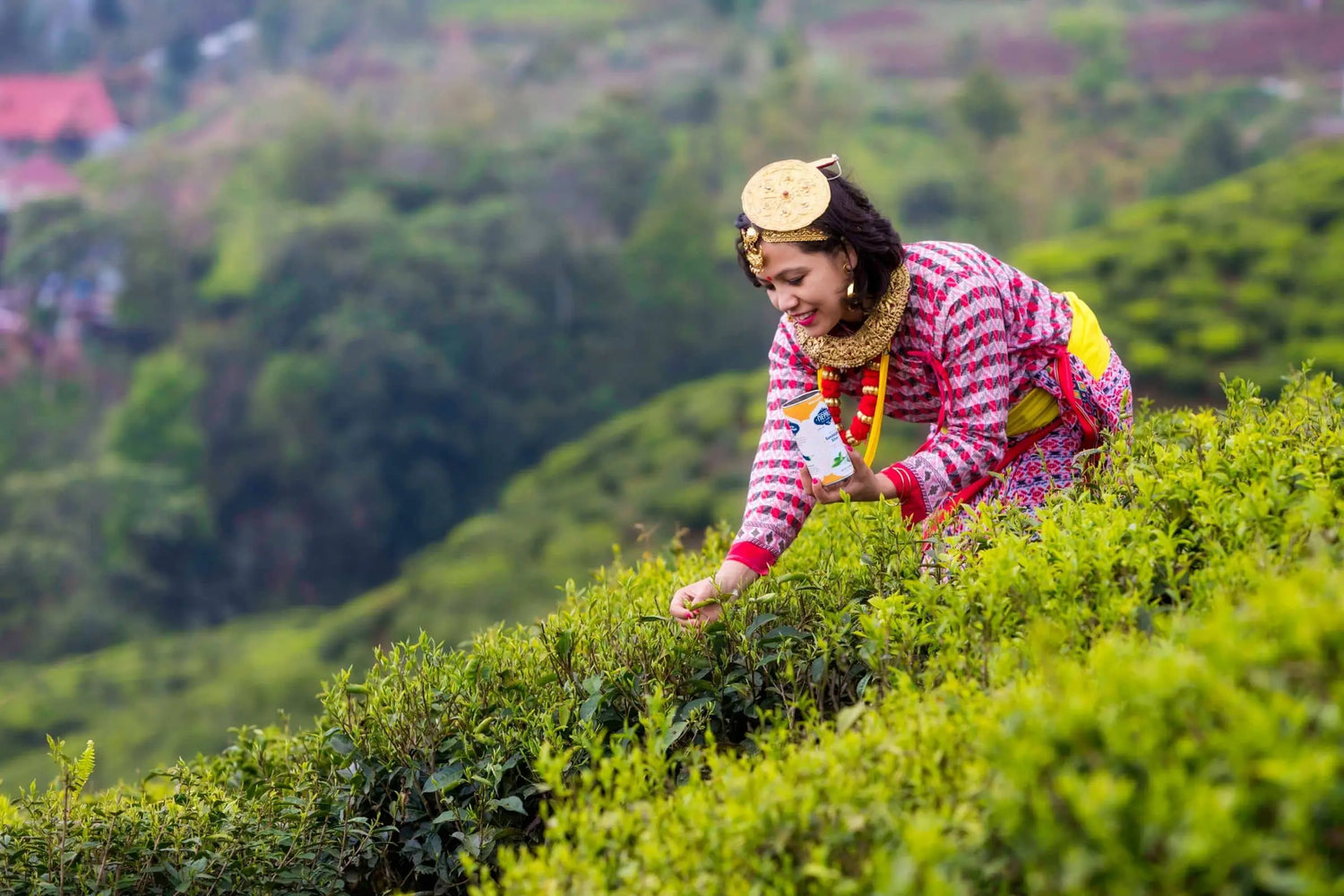
Single-origin loose leaf tea grown at 4,000 to 7,500 ft in Ilam retains a naturally high concentration of polyphenols and catechins, the plant compounds most associated with tea's antioxidant profile. Whole-leaf processing preserves more of these compounds than the crushed, low-grade tea dust used in most commodity tea bags.
Himalayan Masala Black Tea
A traditional chai-style blend with warming cinnamon, ginger, and cardamom.
Tihar Smoked Oolong Tea
Smoky, high-antioxidant oolong with a bold, earthy character.
June Jasmine Green Tea
Soothing floral green tea, gentle on the palate and lightly caffeinated.
Makalu Mint Green Tea
Cool, herbaceous spearmint and fennel over a green tea base.
Shop USDA Organic Teas


Organic Nepali Green Tea Loose Leaf – Ilam, Butter Lettuce & Coriander


Organic Nepali Green Tea Loose Leaf – Emerald, Zucchini & Almond


Organic Nepali Green Tea Loose Leaf – Sandakphu Jade, Asparagus & Barley


Organic Nepali White Tea Loose Leaf – Silver Tips, Almond & Citrus


Organic Nepali White Tea Loose Leaf – Jade Spring, Coriander & Asparagus


Organic Nepali White Tea Loose Leaf – Ama Dablam, Sweetgrass & Gardenia
Nepali Tea FAQs
Brewing, ingredients, and caffeine—quick answers about tea from Nepal.
What makes these teas rich in antioxidants?
These teas contain natural plant compounds called polyphenols and catechins. Blends like Himalayan Masala also include warming spices such as ginger and cinnamon. This reflects the tea leaf's natural composition and is not a medical claim.
Which teas have the highest antioxidant content?
Green tea and lightly oxidized oolong tend to retain the most catechins, while spiced black tea blends like Himalayan Masala add plant compounds from cinnamon, ginger, and cardamom.
Can I drink these teas every day?
Yes, these teas are well suited for daily enjoyment as part of a normal diet.
Do these teas contain caffeine?
Some teas in this collection contain moderate caffeine, especially the black and oolong varieties. If you are caffeine sensitive, choose a lighter option like mint or jasmine green tea.
When should I drink these teas?
These teas can be enjoyed any time of day. Many customers reach for them in the morning or early afternoon.
Are these teas suitable in colder months?
Yes, warming spiced blends like Himalayan Masala Black Tea are popular choices during colder months for their comforting, warming character.