
Your cart (0items)
Your cart is empty


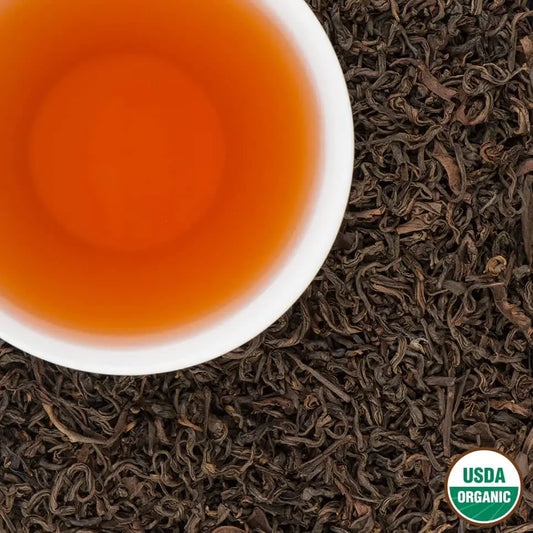



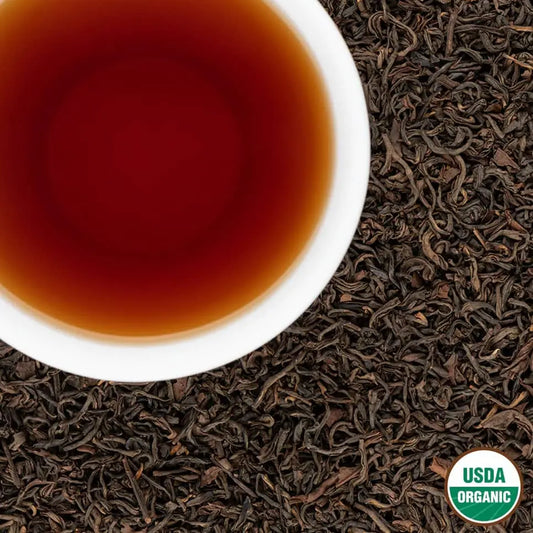



What tea has the most caffeine? Bold black tea like Sherpa Breakfast sits at the higher end of tea's caffeine range, typically 40 to 70 mg per 8 oz cup, paired with L-theanine for a smoother lift than coffee.
Bold black and oolong tea for a natural energy lift
Whole-leaf black and oolong tea from Ilam pairs natural caffeine with L-theanine, an amino acid that smooths the caffeine curve into a steadier, more sustained lift than a straight caffeine hit.
Sherpa Breakfast Black Tea
Bold, high-caffeine, our strongest daily driver.
Himalayan Golden Black Tea
Award-winning, honey-malt sweetness, velvety and bold.
Annapurna Amber Oolong Tea
Honeyed complexity with moderate, steady caffeine.
Best brewing for maximum flavor and lift
Brew at 195 to 212 degrees F for 3 to 5 minutes depending on the tea. A stronger brew, using more leaf rather than a longer steep, delivers the boldest cup without added bitterness.

Shop USDA Organic Teas


Organic Nepali Green TeaIlam
Butter Lettuce · Coriander · Dried Gardenia


Organic Nepali Green TeaEmerald
Zucchini · Almond · Dried Lily


Organic Nepali Green TeaSandakphu Jade
Asparagus · Barley · Green Peas


Organic Nepali White TeaSilver Tips
Sweet Grass · Hint of Citrus · Almond Notes


Organic Nepali White TeaJade Spring
Coriander · Fresh Almond · Asparagus


Organic Nepali White TeaAma Dablam
Floral · Sweet · Golden
Nepali Tea FAQs
Brewing, ingredients, and caffeine. Quick answers about tea from Nepal.
Which teas are best for staying awake and energized?
Sherpa Breakfast Black Tea, Sagarmatha Gold Black Tea, Lhotse Black Tea, Annapurna Amber Oolong Tea, Himalayan Golden Black Tea, and Ruby Oolong Tea are excellent for a natural energy lift.
How do these teas help keep you awake?
These teas contain natural caffeine paired with L-theanine, which together support sustained focus and alertness without the sharp crash sometimes associated with coffee.
When is the best time to drink energizing teas?
Morning or early afternoon works best to support your day or stay productive during work or study. Avoid drinking them late in the evening if you're sensitive to caffeine.
Do these teas have high caffeine content?
Yes, black and oolong teas generally have moderate to high caffeine content, typically 40 to 70 mg per 8 oz cup.
Are these teas an alternative to coffee?
Many tea drinkers find black and oolong tea offer a smoother, more gradual energy lift than coffee, thanks to the natural pairing of caffeine and L-theanine.
Can I drink these teas every day?
Yes, they are well suited for daily enjoyment. Just be mindful of your own caffeine sensitivity and timing relative to bedtime.